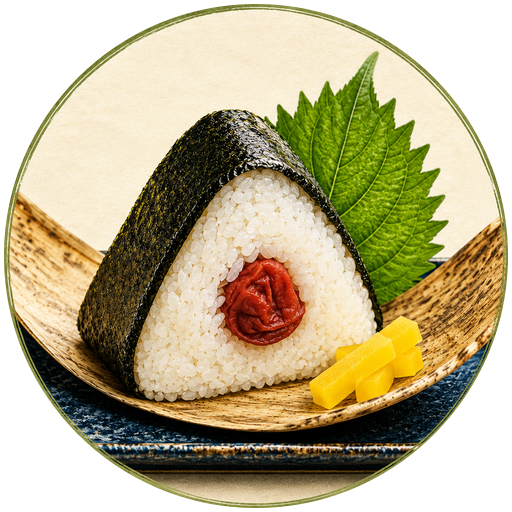
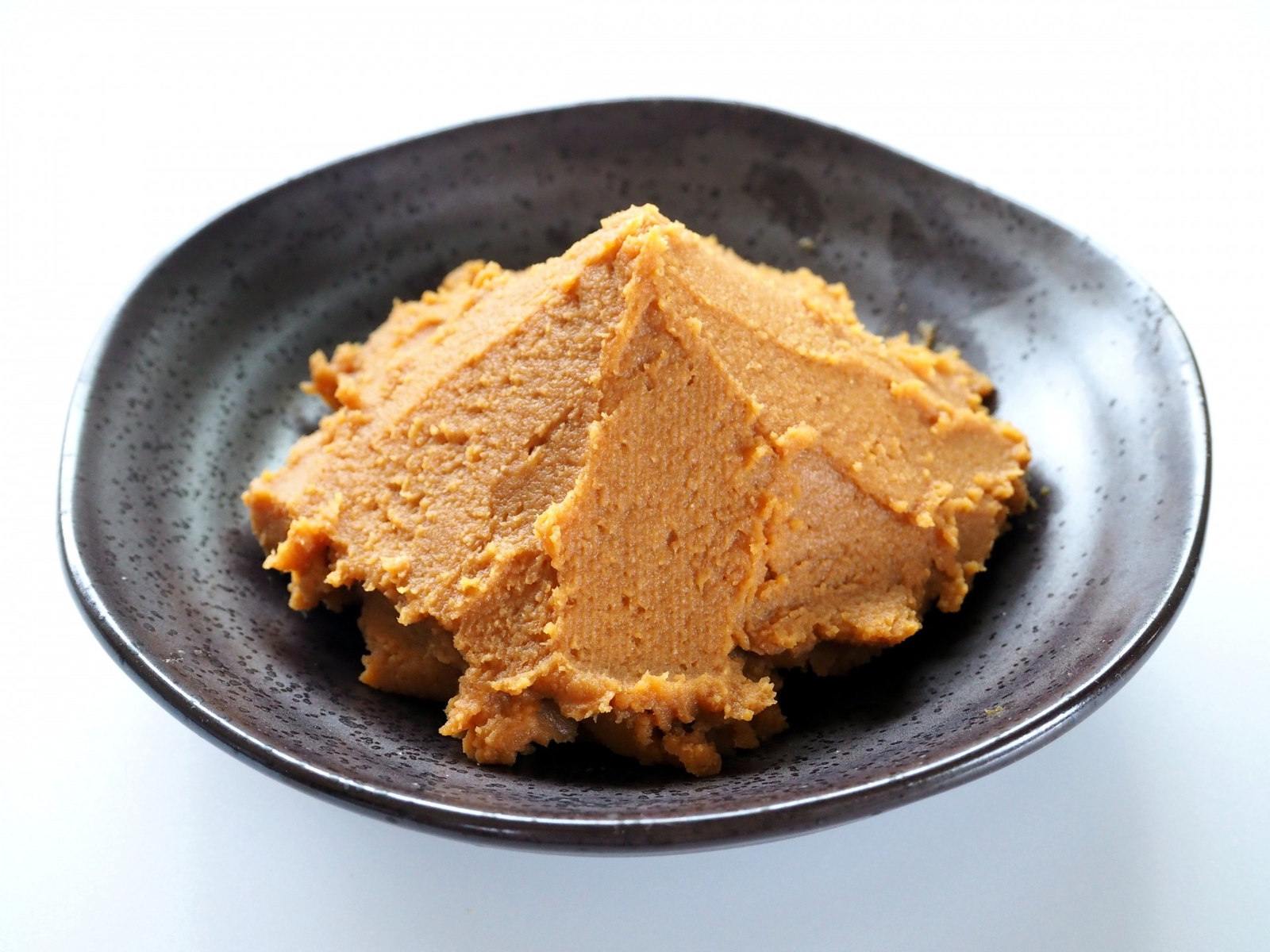
Is miso vegan? Usually, yes. Traditional Japanese miso paste is made by fermenting soybeans with koji and salt, often using rice or barley to make the koji. These basic ingredients are plant-based. But some ready-seasoned miso products contain fish-based dashi, so a package labeled miso is not automatically vegan.
The distinction matters when shopping in Japan or buying Japanese ingredients in the United States. The simplest approach is to check the paste itself before thinking about the soup or recipe you want to make.
What Is Miso Paste Made Of?
Miso is a fermented Japanese seasoning made from soybeans, salt, and koji—a fermentation starter made by growing koji mold on rice, barley, or soybeans. The type of koji helps determine the kind of miso.
Japan's Ministry of Agriculture, Forestry and Fisheries defines three main types, plus blended miso:
| Type of miso | Japanese name | Typical base | Vegan status |
|---|---|---|---|
| Rice miso | 米みそ (kome miso) | Soybeans, rice koji, salt | Usually vegan when unseasoned |
| Barley miso | 麦みそ (mugi miso) | Soybeans, barley koji, salt | Usually vegan when unseasoned |
| Soybean miso | 豆みそ (mame miso) | Soybeans, soybean koji, salt | Usually vegan when unseasoned |
| Blended miso | 調合みそ (chogo miso) | A combination of miso types or koji | Check the actual ingredient list |
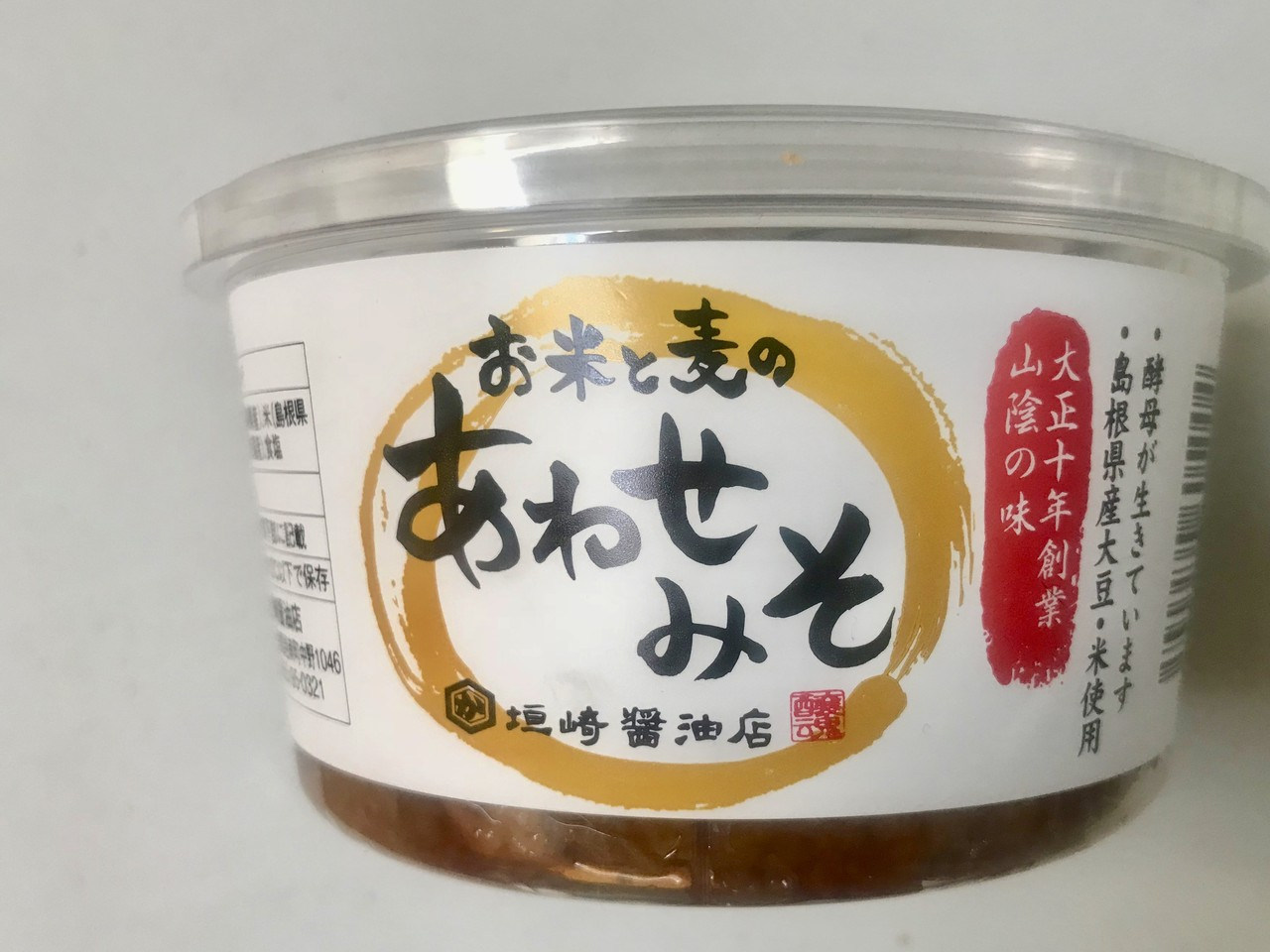
These names describe the ingredients and fermentation style, not a vegan certification. A manufacturer can add other seasonings to a miso product. You may also see awase miso (合わせみそ), meaning a blend of misos. Awase miso is not the same as dashi-iri miso; neither the name nor the color tells you whether fish ingredients were added.
Are white miso and red miso vegan?
Both can be. Shiro miso (white or light-colored miso) and aka miso (red miso) describe color and flavor rather than whether the product contains animal ingredients. A pale miso is not necessarily vegan, and a dark miso is not necessarily fish-based. Check the ingredient list regardless of color.
When Is Miso Not Vegan?
The most important exception is dashi-iri miso (だし入りみそ)—miso sold with stock or stock seasoning already mixed in. Dashi can be made from kombu kelp or dried shiitake mushrooms, but it can also be made from fish.
For example, Marukome's Japanese Shin Marukome-kun Koshi (新マルコメ君こし) is a dashi-added miso. Its published ingredient list includes katsuo extract (bonito extract) and katsuobushi powder (bonito flakes powder), so that particular product is not vegan.
By contrast, Marukome described its Ryotei no Aji Nama Miso (料亭の味 生みそ), launched in Japan in 2025, as made from soybeans, rice, and salt. Those listed ingredients are plant-based. These examples come from the manufacturer's product information, not firsthand testing; check the package you are buying.
Dashi-iri does not always mean fish-based. A product could use only plant-based stock. It means you need to read further instead of assuming either way.
How to Read a Japanese Miso Label
On Japanese miso packaging, the ingredient list (原材料名, genzairyo-mei) is more useful than the color of the paste or a traditional-looking label.
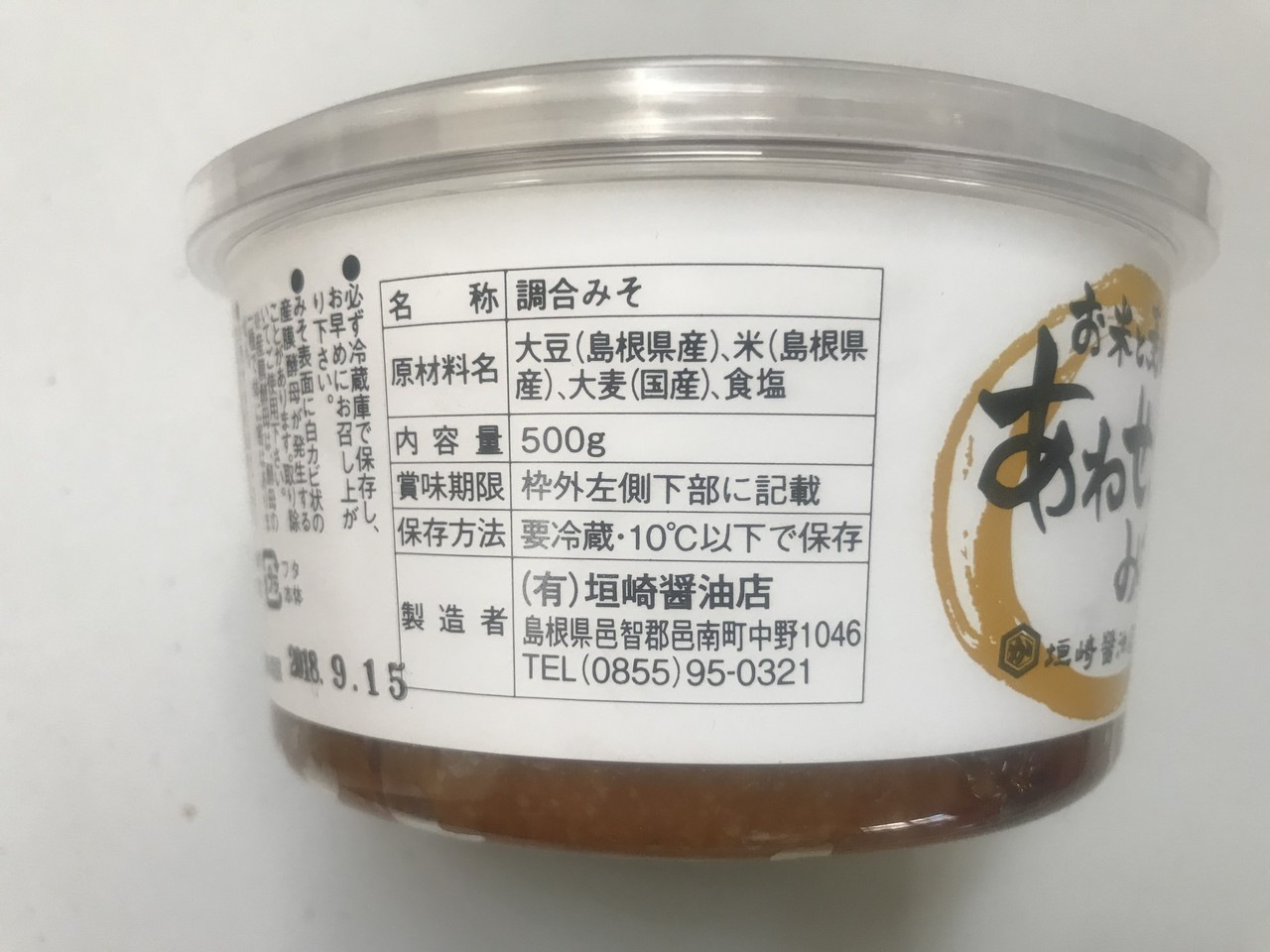
Here are terms worth recognizing:
| Japanese label | English meaning | What it tells a vegan shopper |
|---|---|---|
| 大豆 | Soybeans | Plant-based ingredient |
| 米 / 米こうじ | Rice / rice koji | Plant-based ingredient |
| 麦 / 麦こうじ | Barley / barley koji | Plant-based, but contains gluten when barley is used |
| 食塩 | Salt | Plant-based ingredient |
| だし入り | Dashi added | Check what the dashi contains |
| 合わせみそ / 調合みそ | Blended miso | Describes a blend, not necessarily the presence of dashi |
| 無添加 | No additives (as defined for the product) | Not a vegan label; read the full ingredients |
| 昆布 / 昆布エキス | Kombu / kelp extract | Plant-based when not combined with fish ingredients |
| しいたけ | Shiitake mushroom | Plant-based ingredient |
| かつお節 / 鰹節 | Dried bonito flakes | Fish; not vegan |
| かつおエキス | Bonito extract | Fish; not vegan |
| かつお節粉末 | Bonito flakes powder | Fish; not vegan |
| 煮干し | Dried small fish | Not vegan |
| 魚介エキス | Fish or seafood extract | Not vegan |
A quick three-step label check
- Look for だし入り (dashi added) on the package, but do not assume that all dashi contains fish.
- Check 原材料名 (ingredients) for かつお, 煮干し, or 魚介エキス. If they appear, the product contains fish or seafood.
- If the stock or seasoning is unclear, ask the manufacturer whether it contains animal-derived ingredients before treating it as vegan. Allergen information can help, but it does not identify every animal ingredient. For example, the Marukome product above lists soy as its allergen even though its ingredients include bonito.
A label that says organic, white miso, awase, or no additives does not, by itself, establish that the product is vegan.
What About Miso Sold in the United States?
Some Japanese manufacturers provide English ingredient lists, which makes choosing a paste easier.
For example, Hikari Miso Organic White Miso (17.6 oz / 500 g) lists water, organic soybeans, organic rice, salt, yeast, and koji culture. The manufacturer also marks this specific product as vegan-friendly. It is a useful example of an unseasoned miso paste, though shoppers should still check the label on the package they buy.
If you're shopping at a Japanese grocery store, Asian supermarket, or online, look for miso paste rather than an instant miso soup mix. Compare the ingredient lists, not just words like organic, authentic, or traditional. Those descriptions don't tell you whether fish stock has been added.
The Japanese and export versions of a product may have different packaging or formulations, so use the label for your market as the final check.
Two Eden Foods Miso Pastes to Compare
Affiliate disclosure: The Japanese Vegan Table participates in the iHerb Affiliate Program. If you buy through our affiliate links, we may earn a commission.
Once you've checked that a miso contains no animal ingredients, the rice type and flavor can help you choose between pastes. Eden Foods offers two options:
| Product | Rice and flavor | Ingredients listed by Eden Foods |
|---|---|---|
| Organic Shiro Miso | A milder, sweeter white rice miso | Organic rice, organic whole hulled soybeans, water, sea salt, and koji |
| Organic Genmai Miso | Made with brown rice, with a mellow, savory flavor | Organic whole soybeans, organic brown rice, sea salt, water, and koji |
The manufacturer's ingredient lists contain no animal ingredients. These descriptions come from Eden Foods' Shiro Miso information and Genmai Miso information, not personal product testing. Check the ingredients on the package you buy, since formulations can change.
For a milder paste, compare Shiro Miso's ingredients and current price before deciding.
Check ingredients and current price on iHerb
If you prefer a brown rice miso, Genmai is another option to compare.
Compare Organic Genmai Miso on iHerb
Miso Paste and Miso Soup Are Two Different Questions
Even when the paste is vegan, the finished miso soup might not be. Many miso soup recipes use dashi made with bonito flakes or other fish ingredients. Instant soup packets may already contain that stock.
If you want to make miso soup with your new paste, our kombu-and-shiitake vegan dashi recipe shows how to prepare a plant-based stock to go with it.
If you are still comparing stock ingredients, our dashi ingredient guide explains how to spot fish-based dashi. For questions to ask at restaurants and ingredients to check in instant packets, see Is Miso Soup Vegan? How to Spot Fish-Based Dashi.
How to Use Vegan Miso Beyond Soup
Once you've found a plant-based miso, you can use it in more than a bowl of soup:
- Vegetable glaze: Mix a little miso with water and a touch of sweetness, then brush it over roasted or broiled eggplant or other vegetables.
- Simple dressing: Whisk miso with rice vinegar and water, adjusting the balance to suit your salad or steamed greens.
- Tofu seasoning: Add a small amount to a sauce for tofu or mushrooms.
- Rice ball filling: Make a thick sesame-miso mixture for onigiri. See our eight vegan onigiri fillings.
Miso varies in saltiness and intensity, so start with a small amount, taste, and adjust. Follow the package instructions for storage after opening.
Two More Things to Check
Is miso gluten-free?
Not always. Miso made with barley or wheat koji contains gluten, and some seasoned products contain wheat-based ingredients. If you must avoid gluten, check the specific product's ingredients, allergen labeling, and any gluten-free certification rather than assuming every rice-based miso is safe.
Is miso dairy-free?
Traditional unseasoned miso is made without dairy, but that doesn't guarantee every prepared miso sauce, soup mix, or flavored product is dairy-free. Check the full list if you're avoiding milk ingredients or other allergens. Soy is itself a common allergen.
Sources
- Ministry of Agriculture, Forestry and Fisheries of Japan — Traditional Foods: Miso and Other Seasonings
- Ministry of Agriculture, Forestry and Fisheries of Japan — Definitions of Rice, Barley, Soybean, and Blended Miso
- Marukome — Shin Marukome-kun Koshi (dashi-added miso), product ingredients
- Marukome — Ryotei no Aji Nama Miso, July 9, 2025 product announcement
- Hikari Miso — Organic White Miso, 17.6 oz / 500 g, product ingredients
- Hikari Miso — Is Miso Gluten-Free?
- Eden Foods — Organic Shiro Miso, ingredients and flavor
- Eden Foods — Organic Genmai Miso, ingredients and flavor